
Brent above 100: how commodity currencies and energy instruments are repricing
Start from the oil price and work through the drivers for commodity currencies and the cost structure of energy instruments.
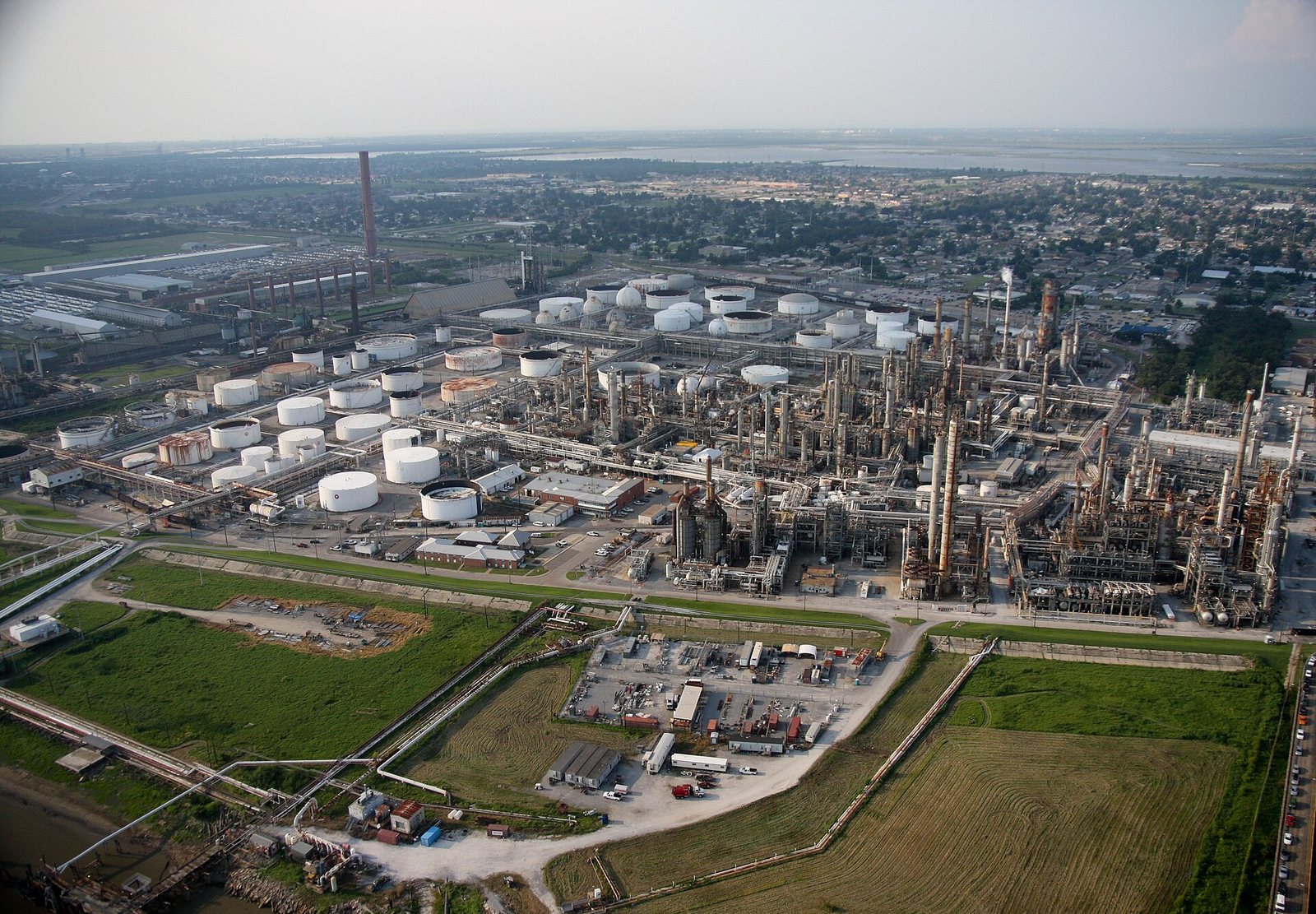
Where oil sits
Brent crude closed at 106.06 dollars a barrel on 14 October, up 5.85% month on month and roughly 70% year on year, with an October average of 103.31 dollars through the 14th, up 1.26% on the month. When the previous domestic fuel price adjustment took effect on 24 September, Brent closed near 106.8 dollars; early in the cycle it slipped to 100.22 dollars on 5 October before Middle East tensions pushed it back above 106.
Two forces pulling both ways
Supporting oil is supply risk: persistent concerns about supply disruption in the Middle East and shipping constraints around the Strait of Hormuz. Weighing on oil is demand: on 12 October OPEC cut its 2026 global oil demand growth forecast sharply from 1.4 million barrels per day at the start of the year to 400,000, reflecting how high prices suppress consumption and how disrupted shipping routes hinder physical delivery.
Supply risk and a demand downgrade existing at the same time is why the oil market has been chopping back and forth.
The impact on commodity currencies
Commodities carry a high weight in the pricing of the Australian and Canadian dollars. High oil prices provide some support to both, but how long that lasts depends on whether demand stabilises. On 14 October AUD/USD closed at 0.6970 and USD/CAD at 1.4235. Their responses to higher oil were not consistent, which shows that domestic variables — rate paths and employment data — are playing the dominant role in each.
The cost structure of energy instruments
Trading oil-related instruments has several cost characteristics. Spreads are inherently wider than on the major currency pairs. Overnight financing is calculated off the forward curve, so the cost of holding changes over time. And as a contract approaches expiry, liquidity migrates to the deferred month while the front-month spread can widen sharply. If you trade oil CFDs or futures, all three need to be itemised separately in your plan.
Watchlist
Going forward, watch whether Brent holds above 100 dollars, whether OPEC cuts its demand forecast again, and whether the correlation between commodity currencies and oil decays. Decaying correlation usually means the currency's driver has shifted from commodities to rates or risk appetite.